Your Winter Guide to Managing Chronic Skin Conditions like Eczema & Psoriasis
Colder months present unique challenges for those living with chronic skin conditions such as eczema and psoriasis. The combination of lower humidity, harsh winds, and indoor heating can wreak havoc on already sensitive or inflamed skin. As winter sets in, knowing how to adjust your skincare habits and treatment routines is essential for staying comfortable and keeping flare-ups at bay.
Understanding How Winter Affects Eczema and Psoriasis
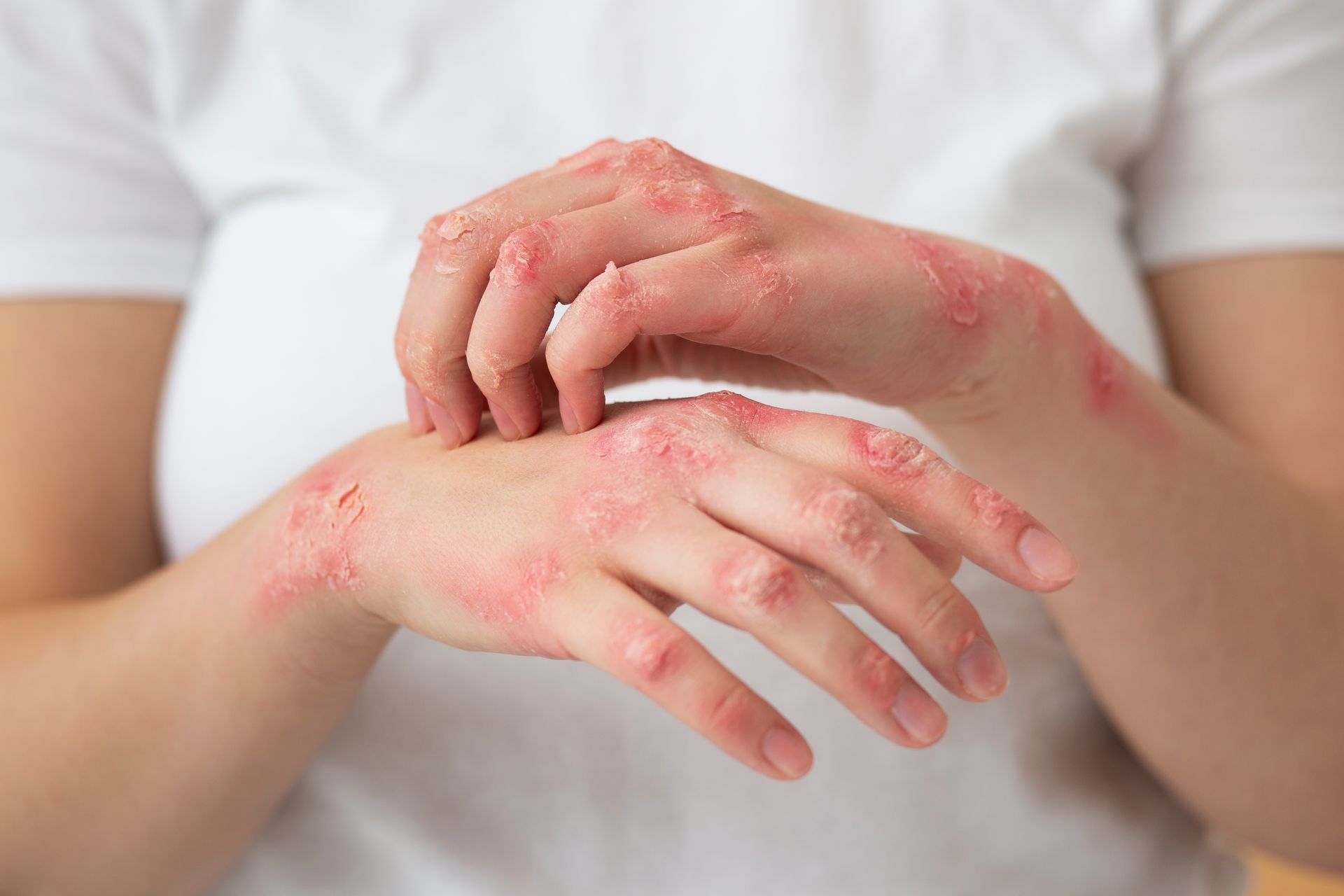
Eczema and psoriasis are both chronic skin disorders, but they manifest differently. Eczema typically causes dry, red, itchy patches, while psoriasis leads to thicker areas of silvery, scaly skin. Both conditions are aggravated by dryness, environmental irritants, and stress—factors that become more prevalent in winter.
Cold air holds less moisture, and indoor heating further reduces humidity, stripping away your skin’s natural oils. This dryness can trigger eczema flare-ups or worsen itching and scaling for psoriasis sufferers. Additionally, bundling up in wool clothing may irritate sensitive skin, leading to discomfort and, in some cases, worsening symptoms.
Smart Moisturizing Strategies
A consistent moisturizing routine becomes non-negotiable during winter. Petroleum-based ointments or rich creams provide a barrier that locks in moisture, unlike lighter lotions that may evaporate quickly. Apply moisturizer immediately after bathing to seal in hydration, and reapply throughout the day, especially to problem areas.
Look for fragrance-free and hypoallergenic products. Ingredients like ceramides, glycerin, and hyaluronic acid help reinforce your skin’s protective barrier without causing irritation. For hands, which are washed frequently and exposed to the elements, use an extra layer of ointment and consider wearing cotton gloves at night to aid absorption.
Bathe Smarter, Not Longer
Long, hot showers feel comforting on cold days but can be detrimental for eczema and psoriasis. Limit showers or baths to ten minutes and keep the water lukewarm. Harsh soaps and bubbling bath products strip vital oils and should be swapped for gentle, fragrance-free cleansers.
After bathing, pat your skin dry with a soft towel—never rub—and apply moisturizer immediately. For children with eczema, colloidal oatmeal baths can soothe irritation and itchiness without harsh chemicals.
Dress to Minimize Irritation
Winter wardrobes often include wool and synthetic fabrics that trap heat but can aggravate sensitive skin. Soft, breathable layers made from cotton or silk are a better choice. If you want to wear knits, use a cotton shirt as a base layer to minimize direct contact with the skin.
Avoid overdressing to the point of sweating, as trapped moisture can worsen itchiness or exacerbate scaling in psoriasis. Don’t forget to launder clothing with fragrance-free, dye-free detergents as residue from harsh chemicals can also trigger flare-ups.
Manage Indoor Environments Wisely
Central heating creates a dry indoor atmosphere. Using a humidifier in your bedroom or living areas can keep air moisture at optimal levels, helping skin retain hydration. Aim for humidity between 40-50 percent, and clean your humidifier regularly to prevent mold or bacteria build-up.
Keep your home free from dust mites and pet dander, both of which can worsen eczema. Regularly vacuum and wash bedding to reduce these common irritants.
Targeted Treatments for Eczema and Psoriasis
For many, topical therapies form the backbone of winter skin care. Prescription-strength corticosteroids, calcineurin inhibitors, or non-steroidal creams reduce inflammation and control itching. For psoriasis, treatments may also include vitamin D analogues, tar preparations, or systemic medications.
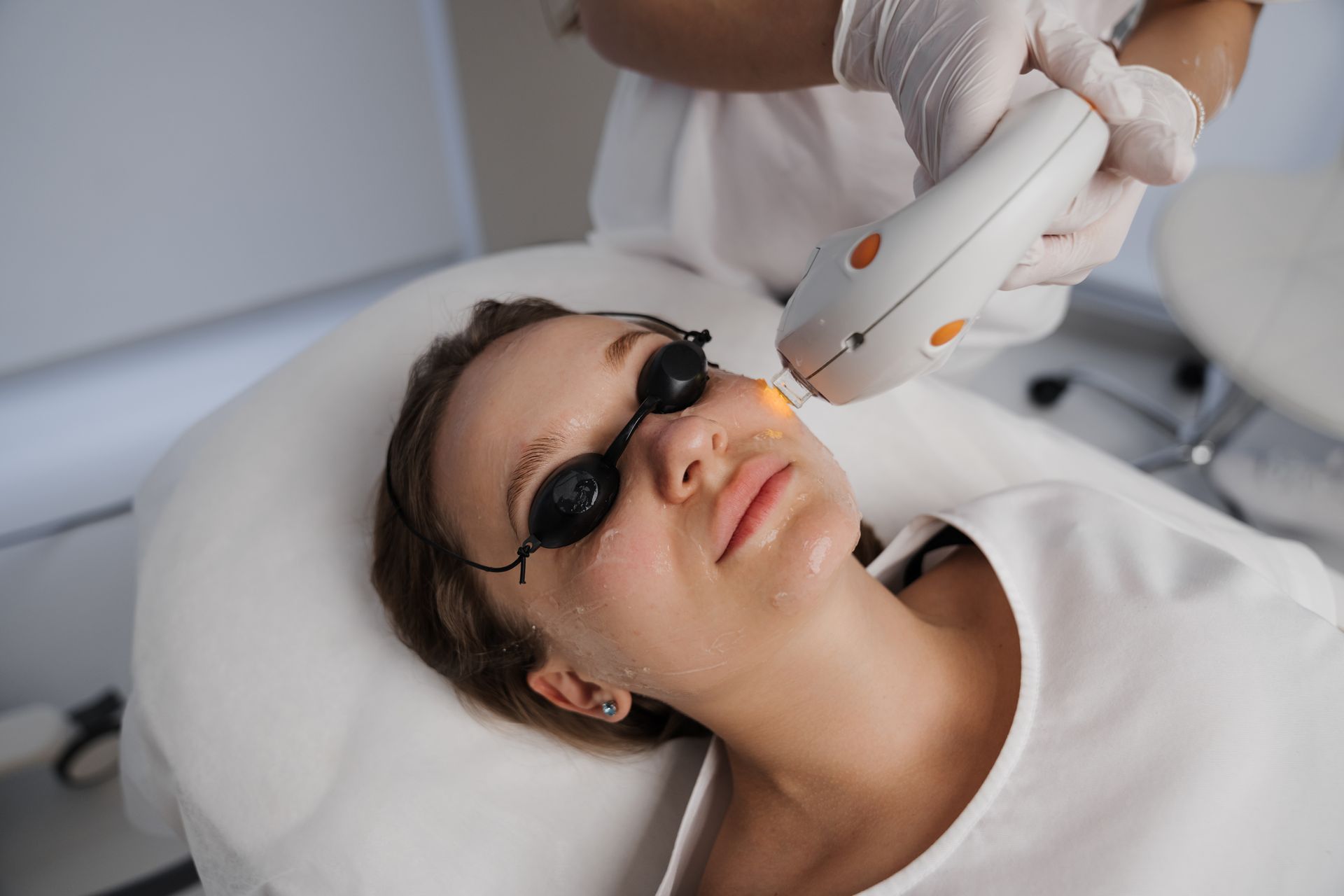
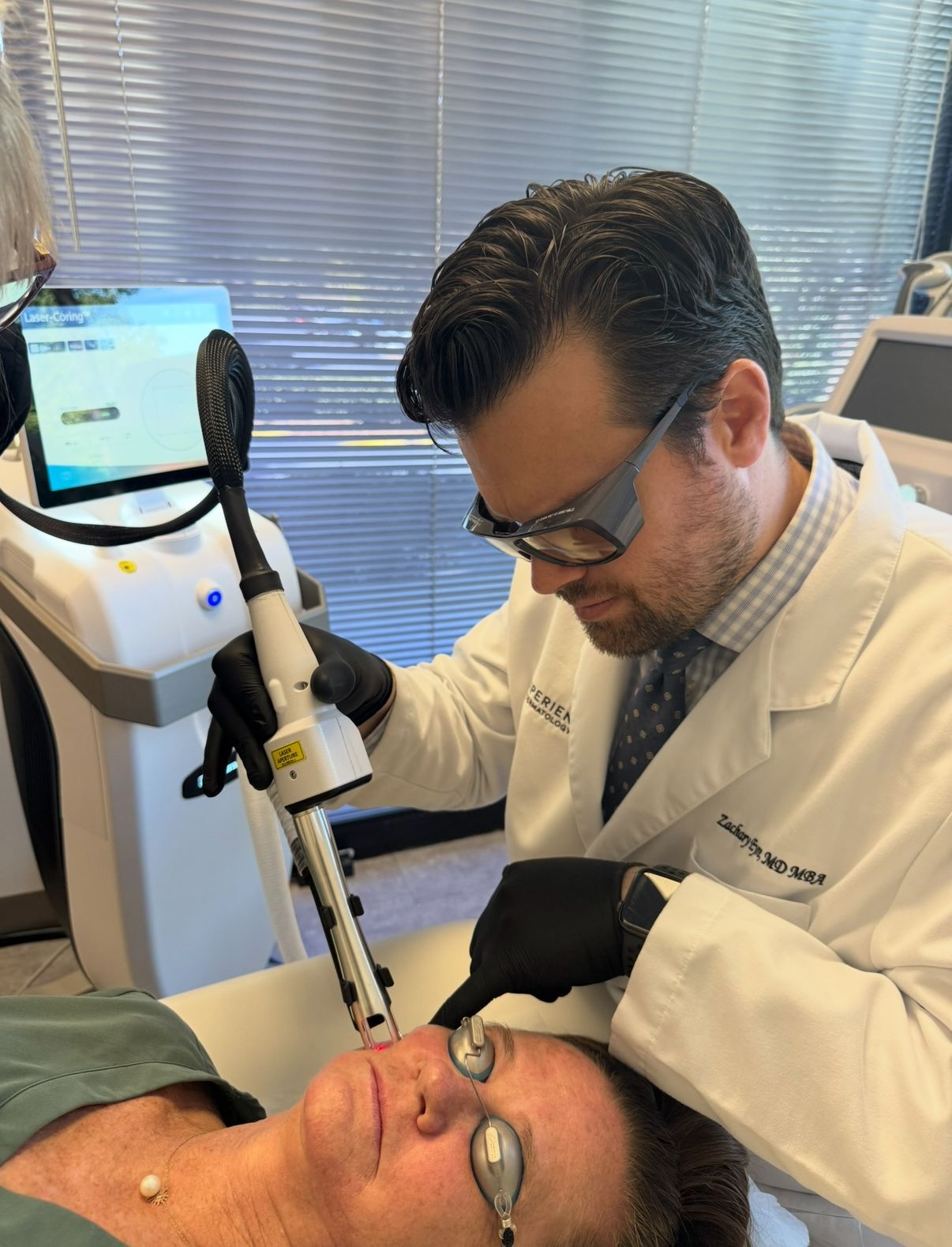
Light therapy is another option for those with moderate to severe psoriasis. Controlled exposure to UVB light can slow skin cell turnover and calm inflammation. If you’re considering phototherapy, work with a board-certified dermatologist to find the safest and most effective approach.
Lifestyle Adjustments that Matter
Winter can often bring increased stress, especially during the holiday season. Since both eczema and psoriasis are stress-responsive conditions, prioritizing mental health is just as important as physical care. Consider integrating relaxation techniques like deep breathing, meditation, or gentle exercise into your routine.
Diet may also play a supporting role. Anti-inflammatory foods—such as fatty fish, leafy greens, and berries—can support overall skin health. While food triggers vary by individual, keeping a diary can help identify patterns that may influence your flares.
Know When to Seek Expert Advice
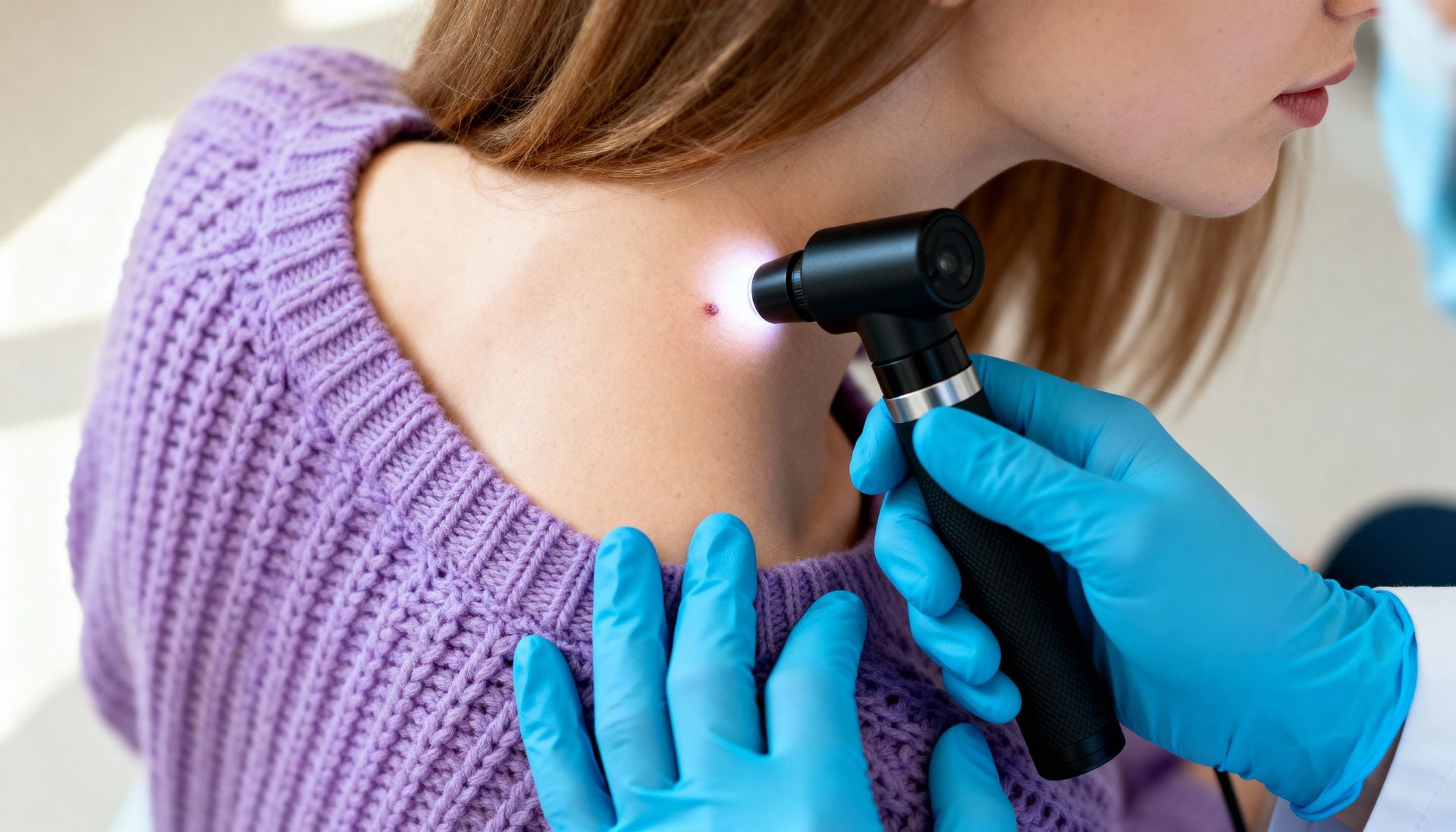
Chronic skin conditions rarely behave exactly the same way from year to year. If you notice increased severity, spreading rashes, pain, or if your home care routine isn’t managing symptoms adequately, it’s time to consult a dermatologist. New therapies, advanced topical and systemic treatments, and expert guidance make it possible to keep your skin healthier and your symptoms under control.
At Experience Dermatology, we understand that living with eczema or psoriasis is more than skin deep. Our Atlanta-based team uses the latest scientific advances coupled with a compassionate, patient-centered approach to address your needs year-round—especially in the demanding winter months. Schedule a consultation with us today and experience the support, expertise, and innovation that can make this your most comfortable winter yet.
Share This Blog