Winter Skin Cancer Prevention: What Atlanta Residents Need to Know
Atlanta winters offer the welcome relief of milder temperatures and less intense sunshine, but the risk of skin cancer does not take a seasonal break. While many people think of skin cancer as a summertime worry, winter brings its own set of risks and challenges—especially here in Georgia, where sun exposure can still pack a punch even on chilly, overcast days. Understanding how and why skin cancer remains a concern in winter months, and adopting expert-backed prevention strategies, is essential for protecting your skin all year long.
Understanding Skin Cancer Beyond the Summer Months
Skin cancer, including types like melanoma, squamous cell carcinoma, and basal cell carcinoma, is fundamentally caused by DNA damage to skin cells, primarily from ultraviolet (UV) radiation. In summer, the connection between strong sunlight and risk is obvious. Yet UV rays are present every single day, and they can penetrate clouds, bounce off reflective surfaces (like snow or even concrete), and impact anyone who spends time outdoors—no matter the season.
Here in Atlanta, milder winters mean many people remain active outdoors, and Georgia’s higher altitudes or occasional snow can amplify UV rays on clear, crisp days. The risk is further increased by winter habits: reduced use of sunscreen, skipping hats or sunglasses, and not considering UV exposure during short walks, errands, or winter sports.
Common Myths About Winter and Sun Exposure
Winter is a safer season for your skin: Many Atlantans wrongly assume that because they feel less heat from the sun, their skin is safe. UV levels are lower but not absent, and you can still accumulate skin damage.
Only sunny days are risky: UV rays can penetrate clouds, so a grey Atlanta day does not mean your skin is fully protected. In some cases, UV exposure is actually higher on cloudy days because clouds can reflect and scatter rays, increasing their reach.
Darker skin does not get skin cancer: People of every skin tone are susceptible to skin cancer. While melanin offers some protection, it is not absolute. Worse, skin cancer is often diagnosed in later, more dangerous stages for people with darker skin simply because the concern may be overlooked.
Key Reasons Winter Skin Cancer Prevention Matters
Cumulative sun exposure: Skin damage adds up over your lifetime. From running errands to enjoying weekend hikes at Stone Mountain, cumulative sun exposure—even during seemingly innocuous winter days—can increase your skin cancer risk.
Lowered vigilance: Many people neglect sunscreen, wear hats less often, and skip regular skin checks during the winter. This reduced attention gives new or changing moles and spots a greater chance to go unnoticed.
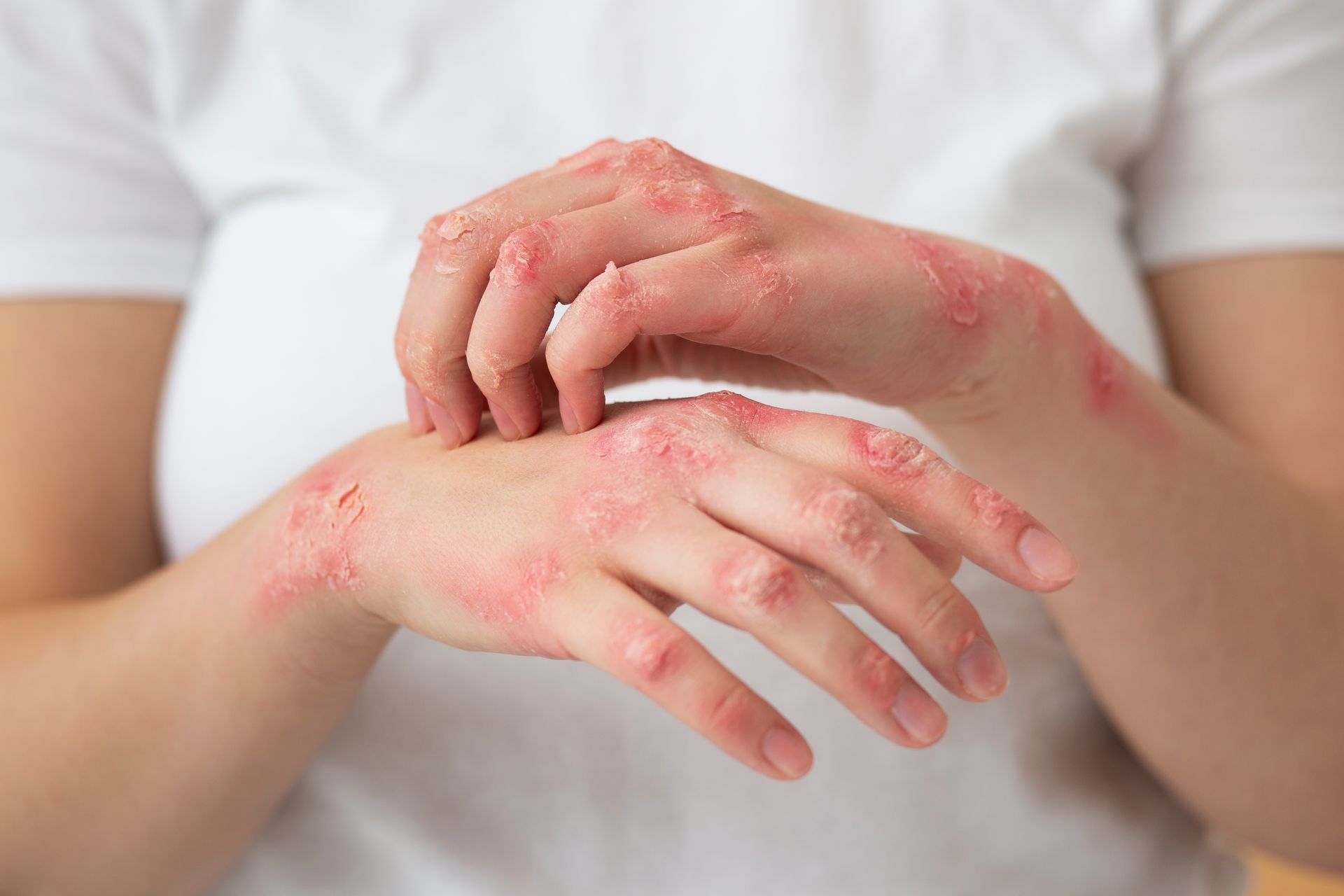
Delayed diagnosis: Many skin cancers, especially in their early stages, can resemble eczema, psoriasis, or even healing scars. Cold weather can mask symptoms, delay appointments, or even lead people to ignore new spots in hidden areas often covered by winter clothing.
Winter-Ready Prevention Strategies
Wear year-round sunscreen: Choose a broad-spectrum SPF 30 (or higher) and apply it to exposed areas—face, neck, ears, hands, and any other skin not covered by clothing. Even on cloudy days or whenever heading out for a drive, sunscreen is essential.
Smart layering: Lightweight gloves, scarves, and hats do more than keep you warm—they create barriers between your skin and UV rays. Don’t overlook the basics: sunglasses protect your eyes and the delicate skin around them.
Don’t ignore reflection: If Atlanta gets snow or if you head north to the mountains, remember that up to 80% of UV rays bounce off reflective surfaces like snow and ice. This increases your exposure—especially on the nose, cheeks, ears, and under the chin.
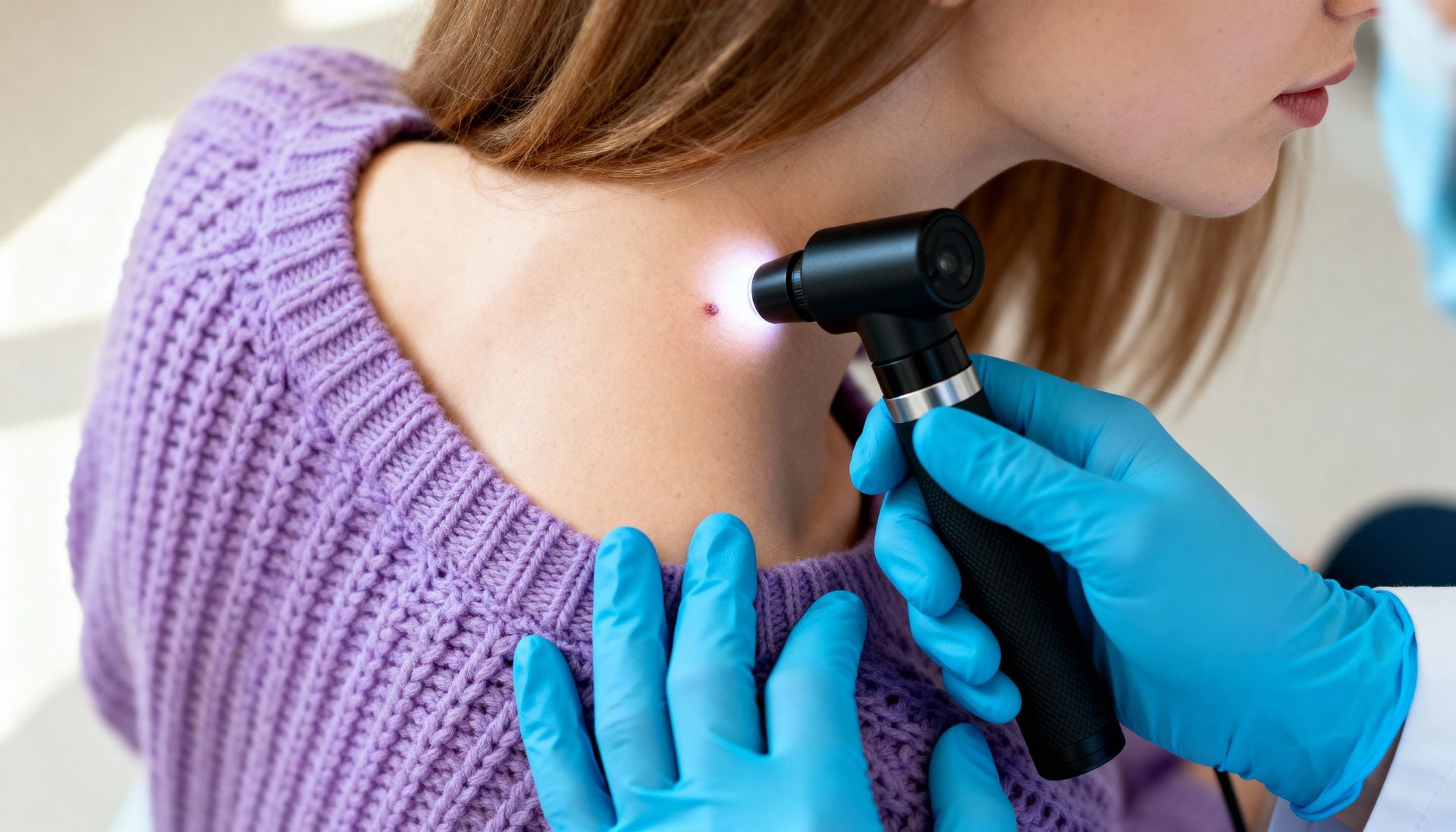
Stay alert to skin changes: Winter dryness can make it harder to tell a new mole from a dry patch. If anything is new, changing, or doesn’t heal as quickly as expected, book a dermatologist appointment without delay.
Monthly self-checks: Make a habit of inspecting your skin once a month. The best time is after a bath or shower, using good lighting and a hand mirror to check hard-to-see areas. Look for new spots, growths, or changes in size, shape, or color. Take photos of anything suspicious so you have a baseline for comparison.
Find the Right Dermatology Partner in Atlanta
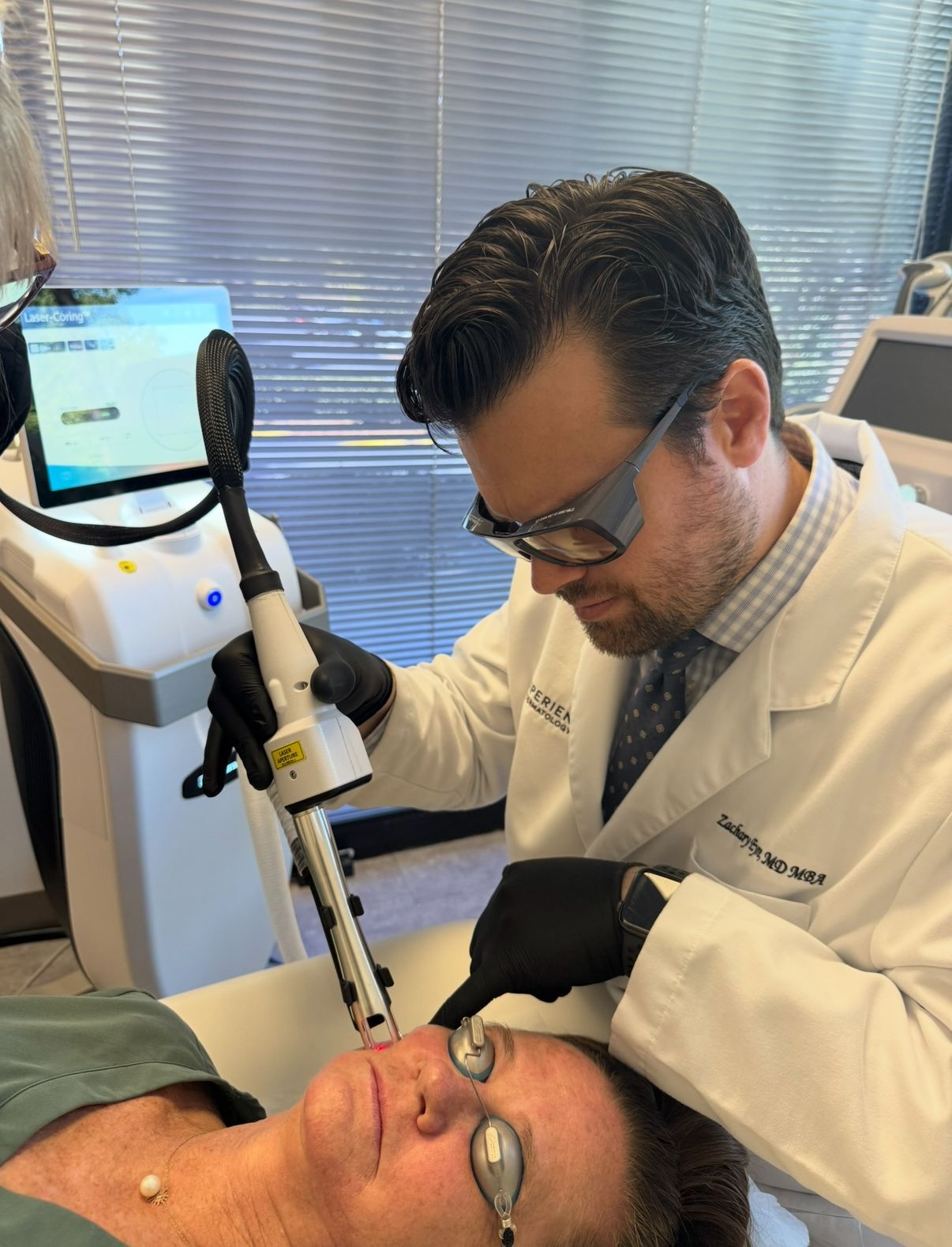
Prevention is powerful, but the most effective defense against skin cancer is early detection. At Experience Dermatology, our expert team specializes in comprehensive skin cancer screening and monitoring, tailored to your individual health history and skin type. We prioritize transparency, integrity, and personalized care—because every patient deserves to feel heard and supported on their path to healthier skin.
If you haven’t had a professional skin check in the last year, or if you notice anything new or concerning, schedule an appointment at our Atlanta clinic today. Investing just a little time now could make all the difference for your lifelong health and peace of mind. Take the next step and let our patient-centered experts help you protect your skin in every season.
Share This Blog