How to Protect Your Skin from Winter Dryness: Dermatologist-Approved Tips
Colder weather sweeps into Atlanta every winter, bringing a cool relief from Southern heat—but also a host of new skincare challenges. Lower humidity, chilly winds, and indoor heating pull vital moisture away from your skin, leaving it dry, itchy, and sometimes even flaky. For many, winter can make existing conditions like eczema, psoriasis, or rosacea worse. But with expert guidance and a few strategic changes to your routine, you can keep your skin healthy, comfortable, and glowing, even as temperatures dip.
Why Does Winter Dry Out Your Skin?
Winter air holds less moisture. Outdoor cold and indoor heating systems both draw water out of your skin, breaking down protective barriers that maintain hydration. This effect can be especially pronounced for those already managing complex skin conditions. For others, even typically low-maintenance complexions can begin to feel tight, rough, and irritated as winter arrives.
Common culprits in winter dryness include longer, hotter showers, increased use of soaps or detergents, and forgetting daily sunscreen because the sun’s rays feel less intense.
Building a Winter Skin Care Routine
To stay ahead of seasonal skin changes, start by adjusting your at-home regimen.
- Switch to gentle, hydrating cleansers. Avoid foaming or heavily fragranced soaps which can further strip your natural oils. Dermatologist-recommended cream or oil-based cleansers help cleanse without irritation or dryness.
- Take shorter, lukewarm showers. Hot water may feel soothing, but it accelerates moisture loss. Showers under 10 minutes, using warm—never hot—water, are ideal during the colder months.
- Apply a rich moisturizer immediately after showering. While your skin is still damp, seal in hydration with a fragrance-free moisturizer designed for sensitive skin. Look for ingredients like ceramides, hyaluronic acid, and glycerin, which replenish and lock in moisture.
- Add a humidifier to your living areas. Indoor heat dries the air quickly, so running a humidifier replenishes humidity, benefitting not just your skin but overall respiratory health as well.
- Don’t forget sun protection. Even under gray skies, UVA rays penetrate clouds and windows. Daily sunscreen, especially on the face, neck, and hands, is crucial year-round.
Targeted Treatments for Chronic Conditions
If you have psoriasis, eczema, or rosacea, you may need more than basic winter-care tips. Winter flare-ups can be managed with a proactive and personalized approach:
- Keep prescribed medications on hand and follow your dermatologist’s guidance on use. This could include topical corticosteroids, immunomodulators, or other therapies.
- Consider phototherapy under medical supervision if flare-ups are frequent or severe.
- Wear soft, breathable, moisture-wicking fabrics and avoid tight, scratchy clothing to minimize irritation.
- Moisturize multiple times a day, not just after bathing. Layering ointments or creams over medicated treatments helps keep affected areas protected from dry air.
- Track your triggers. Some people experience increased sensitivity to fragrances, soaps, or other irritants in winter, so use hypoallergenic products wherever possible.
Best Moisturizer Ingredients for Winter Skin
Not all moisturizers are created equal, especially as the climate changes. Look for products rich in these dermatologist-loved ingredients:
- Ceramides: Essential for repairing and reinforcing the skin barrier.
- Hyaluronic Acid: Draws in moisture and helps skin retain it.
- Glycerin: Attracts water and keeps skin feeling soft and supple.
- Squalane: Nourishes without feeling heavy or greasy.
If over-the-counter solutions aren’t enough, dermatologists at Experience Dermatology can help tailor a plan using prescription-grade creams or recommend medical-grade options that deliver powerful hydration.
Professional Treatments That Help
Sometimes, even the most diligent at-home routine needs extra support. Professional services not only address winter dryness, but can also renew and strengthen barrier function:
- Customized facials like the Bela MD at Experience Dermatology deeply infuse hydration and nutrients, leaving your skin plump and revitalized.
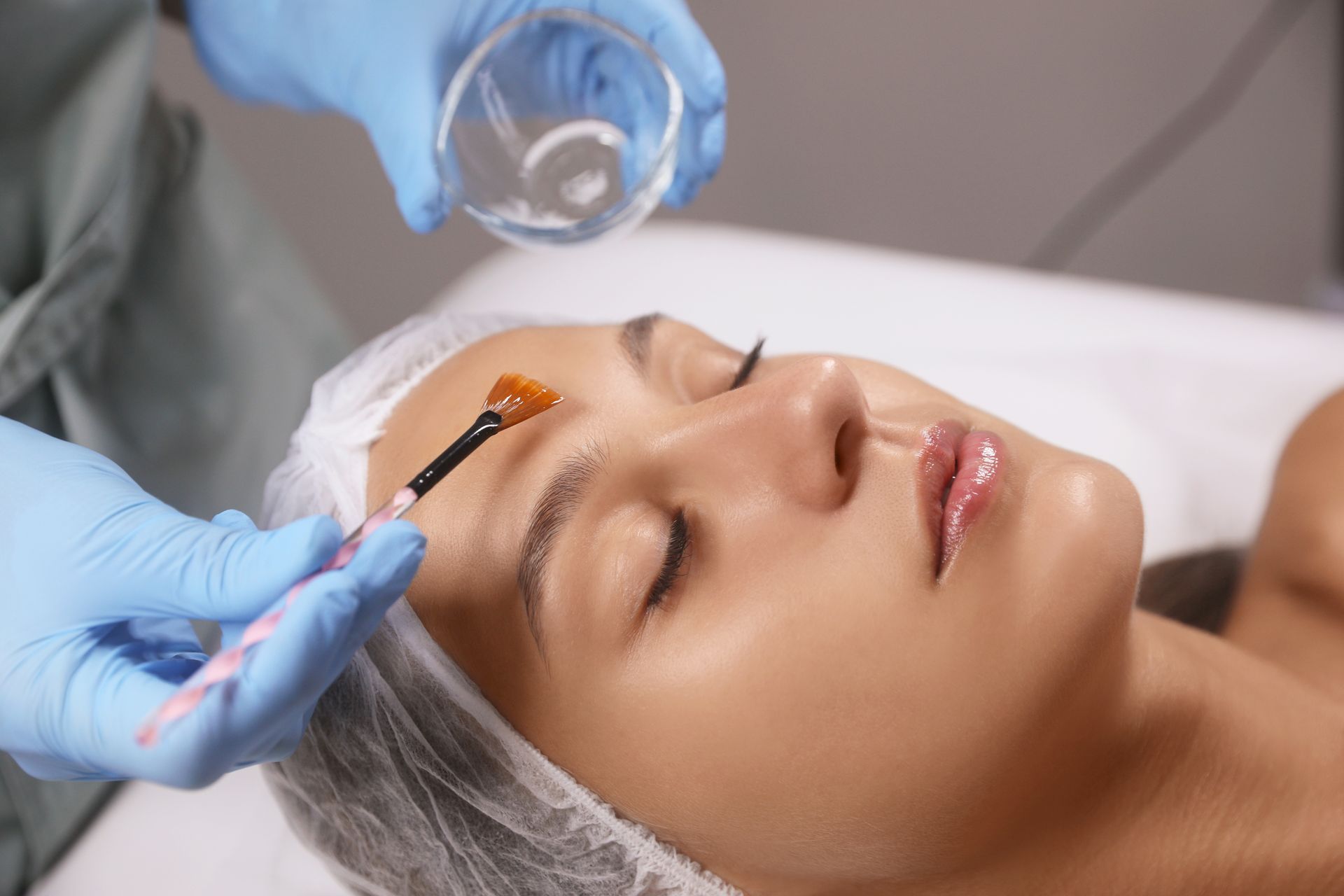
- Chemical peels and gentle exfoliation—when carefully selected—remove flaky, dull surface buildup, encouraging fresh, moisturized skin to emerge.
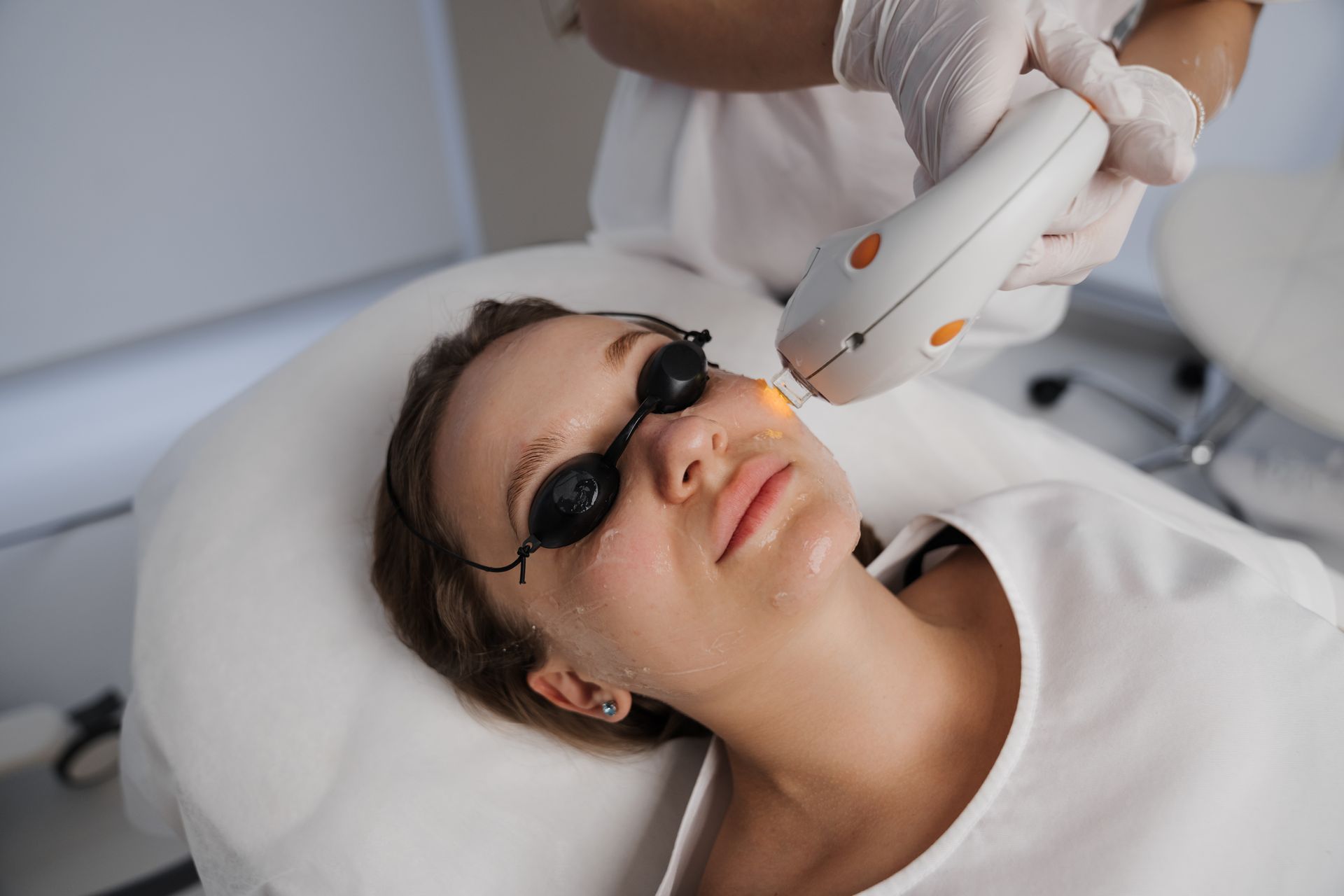
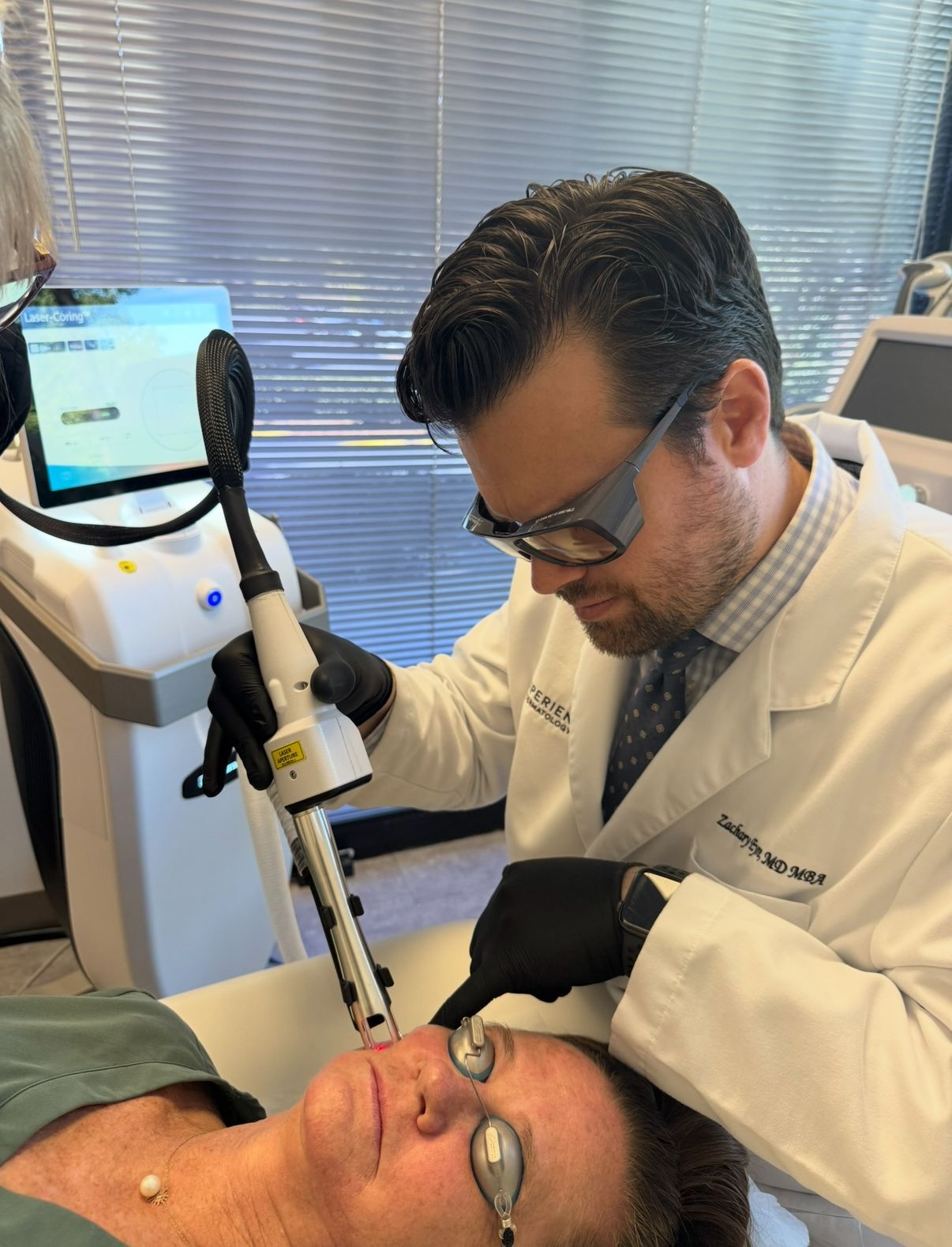
- Laser and light therapies can reduce redness, repair sun damage, and improve skin tone for a healthy glow all winter long.
- For those concerned about aging skin or stubborn fine lines, hyaluronic acid fillers and neurotoxin treatments can provide a rejuvenated, smooth appearance that doesn’t disappear with the cold.
Hydrated Skin Through Healthy Habits
Beyond products and procedures, making small environmental changes can make a big difference.
- Stay hydrated by drinking plenty of water throughout the day.
- Embrace nutrient-rich foods, such as avocados, nuts, seeds, and fish, which help fortify your skin from the inside out.
- Dress mindfully in layers, using scarves and gloves to shield exposed skin from wind and cold.
Take the First Step to Healthy Winter Skin
Don’t let winter dryness dull your natural glow or worsen ongoing skin conditions. If you’re noticing more irritation, flaking, or discomfort as the temperature drops, let us help. Book your personalized winter skin consultation at Experience Dermatology in Atlanta. Our patient-centered approach ensures you’ll receive expert recommendations and innovative solutions tailored to your skin’s unique needs. Protect, restore, and love your skin all season long—reach out today to schedule your visit.
Share This Blog