Skin Cancer Screening in Atlanta: What Dermatologists Wish You Knew
At Experience Dermatology, skin cancer screening isn’t just another appointment on the calendar. Many Atlanta residents are aware of the importance of skin health, but misconceptions about screenings and their necessity still cause a surprising number of people to skip this simple step in their overall wellness routine.
The real details about skin cancer screenings—why they matter, how often you need them, and what actually happens during an exam—don’t always make it to the patient. This blog aims to clarify the most common misunderstandings about screenings, answer what local dermatologists wish everyone in Atlanta understood, and help you make informed choices for your skin’s long-term health.
Here’s what we cover:
- The most common myths and knowledge gaps around skin cancer screening
- What a professional screening really involves (and what it doesn’t)
- Why Atlanta’s local context matters
- How often to consider getting checked
Common Misunderstandings About Skin Cancer Screenings
One of the biggest misconceptions is that only those who spend time at the beach or have fair skin need skin cancer screening. In reality, anyone—regardless of skin color, age, or usual sun exposure—can develop skin cancer. At Experience Dermatology, we routinely see patients who are shocked to learn that moles or spots they considered harmless actually need professional attention.
Even among the well-informed, there’s often a misunderstanding of what screenings can and cannot detect. Some believe they only need a check if they notice a changing mole or suspicious spot. However, certain types of skin cancer develop in areas that are hard to see, and early signs may be subtle or mistaken for something benign.
What Actually Happens During a Dermatologist-Led Screening
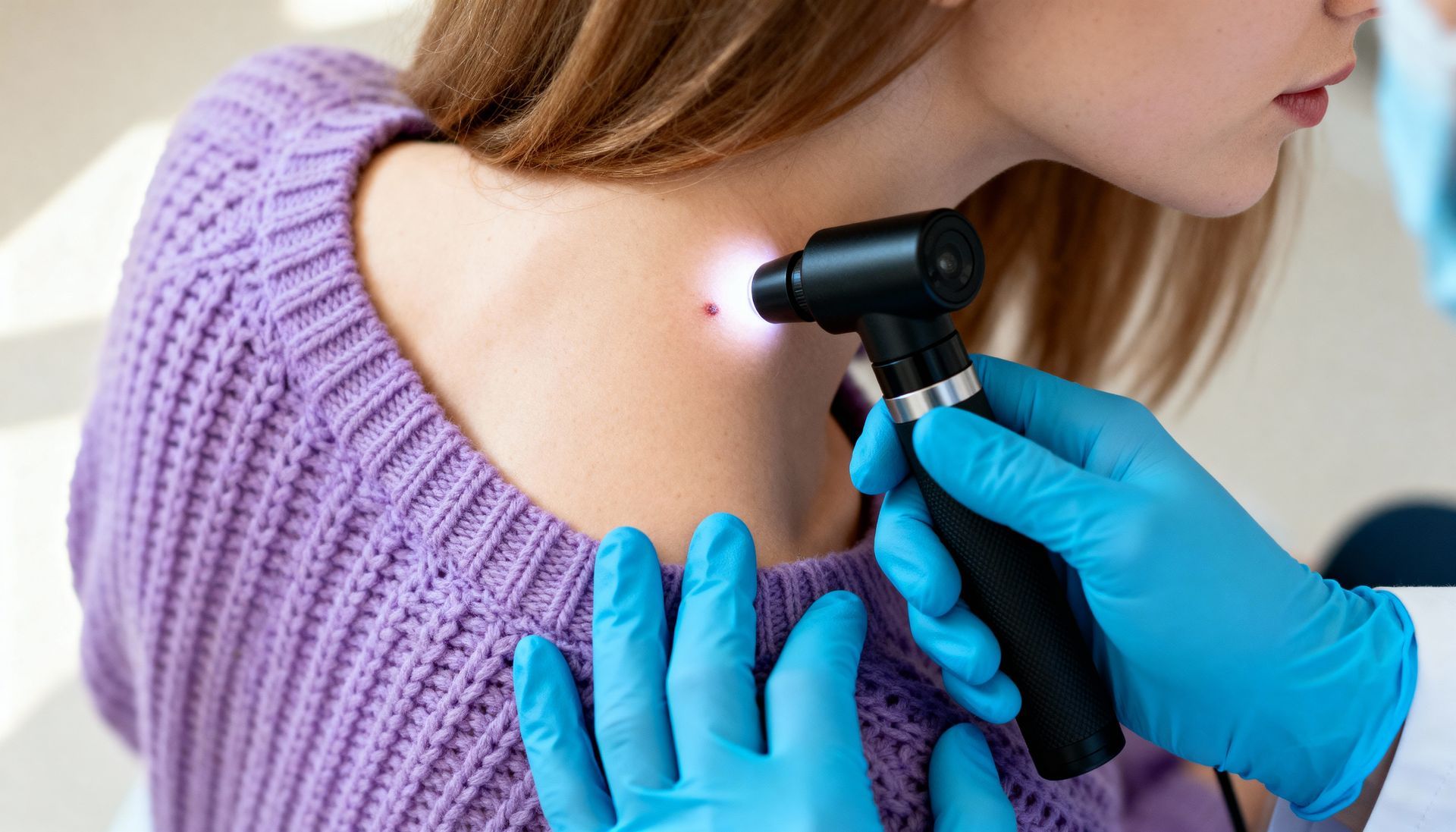
A thorough skin cancer screening in Atlanta is more involved than a quick once-over. At Experience Dermatology, you’ll be asked about your personal and family history, any previous skin issues, and you’ll receive a comprehensive visual check from scalp to toes.
This detailed approach sets a professional clinic apart from a self-examination at home. While at-home checks are important, only a trained dermatologist can reliably distinguish between harmless changes and early warning signs. When needed, the clinician may suggest a biopsy on specific moles or spots, but in most cases, reassurance or simple monitoring is sufficient. The process is transparent: you will have each step explained, including what a suspicious area looks like and the rationale behind recommending further tests.
Why Atlanta Locals Need to Make Seasonal Sun Habits Part of the Conversation
Atlanta’s climate exposes skin to strong sun well beyond summer months. Many people underestimate their cumulative sun exposure due to weekend outings, events in parks, or running errands without sun protection. This means the risk profile for Atlanta residents is higher than many assume.
The diversity of skin tones throughout the city also means that education around skin cancer risk needs to be more nuanced than a pale-skin-only message. At Experience Dermatology, every patient’s risk factors are individually assessed, factoring in lifestyle, skin type, and family history. Atlanta’s multicultural population deserves personalized care that considers all these influences—not a one-size-fits-all checklist.
How Often Should You Really Get Checked?
The general advice from dermatologists is to schedule annual skin cancer screenings, but this can vary. If you have a history of sunburns, numerous moles, or a family history of skin cancer, you may be advised to come in more often.
Additionally, new or rapidly changing moles, sores that don’t heal, or unusual irritation that persists should always prompt an out-of-cycle visit. Experience Dermatology also encourages regular self-checks in between these professional exams, as spotting changes early yourself can be vital in catching problems before they progress.
What to Expect After Your Screening
Most people walk out with peace of mind. When something does need further action—a biopsy, removal, or closer observation—the process is clear and supportive. Experience Dermatology will walk you through what to watch for and set honest expectations about next steps.
Receiving results, planning follow-ups, and getting advice about sun protection or skin care products are all part of the package. Knowing your dermatologist is available for questions can make all the difference to your ongoing sense of safety.
Staying Ahead of Skin Health in Atlanta
Understanding the realities of skin cancer screening in Atlanta can help you make informed decisions and maintain better overall health. Remember, this is about ongoing care, not a one-time event.
To find out what screening schedule makes sense for you or to get honest answers about a spot that’s been concerning you, connect with a professional at Experience Dermatology. Your skin deserves attention that is both thorough and local.
Share This Blog