6 Signs of Melasma and When Professional Care Makes the Difference
Melasma is one of the most common reasons individuals seek help at Experience Dermatology. While the brown or gray patches on the face may initially seem like a minor cosmetic inconvenience, the emotional and clinical realities often go deeper. Living with melasma can mean dealing with recurrent pigmentation, frustration with over-the-counter remedies, and cycles of treatment that never seem to deliver lasting results.
The real distinction between temporary relief and meaningful improvement lies in recognizing melasma’s warning signs early and understanding when to seek targeted professional help. At Experience Dermatology, our approach is both honest and tailored—we focus on individualized assessments and evidence-based treatments, guiding patients in Atlanta and surrounding communities through every stage of care.
What We Cover:
- Spotting the Early Warning Signs of Melasma
- Understanding Common Triggers and Root Causes
- Recognizing When At-Home Approaches Make It Worse
- Why Dermatologist-Led Care Is Game-Changing
- Frequently Asked Questions
Spotting the Early Warning Signs of Melasma
Melasma can appear subtly at first. For many, it starts with faint patches of darker skin that gradually grow in size and intensity, usually across the cheeks, forehead, bridge of the nose, or upper lip. These patches often have irregular borders and are usually symmetrical—another clue that pigmentation may be more than just sun damage.
The symmetrical pattern and the slow evolution of color are signals that differentiate melasma from other forms of skin discoloration, such as freckles or age spots. At Experience Dermatology, we often hear from Atlanta patients who notice these patches after hormonal changes, sun exposure, or even after skin irritation.
→ If dark patches expand or deepen in color, or resist your usual skincare routine, it is time to consider melasma as a possibility.
Understanding Common Triggers and Root Causes
Melasma is not just a cosmetic concern. It tends to flare in response to triggers that are extremely common locally: Georgia’s strong sunlight, hormonal fluctuations from pregnancy or contraception, and even certain skincare products. Darker skin types are also at higher risk, as their melanin-producing cells are more reactive.
Sun exposure is the most well-known trigger, but hormones play a large role. This is why melasma is sometimes called the “mask of pregnancy,” and why it often appears or worsens with hormonal medications. Even heat alone—whether from the environment or from activities like hot yoga—can provoke new patches.
→ Sun protection is essential: skipping sunscreen, especially on bright days in Atlanta, can drastically worsen melasma.
Recognizing When At-Home Approaches Make It Worse
Many people try to manage melasma themselves with bleaching creams, natural remedies, or aggressive exfoliation. Unfortunately, these DIY methods can irritate the skin barrier, promoting inflammation and making pigmentation even more pronounced. Overuse of lightening products like hydroquinone or using harsh scrubs often leads to rebound hyperpigmentation.
Too often, patients seek expert help only after at-home treatments have made their skin worse, highlighting the benefit of early, professional intervention.
→ A quick tip to remember: If your skin feels raw, stings, or gets darker from treatments, consult a dermatologist instead of trying more products.
Why Dermatologist-Led Care Is Game-Changing
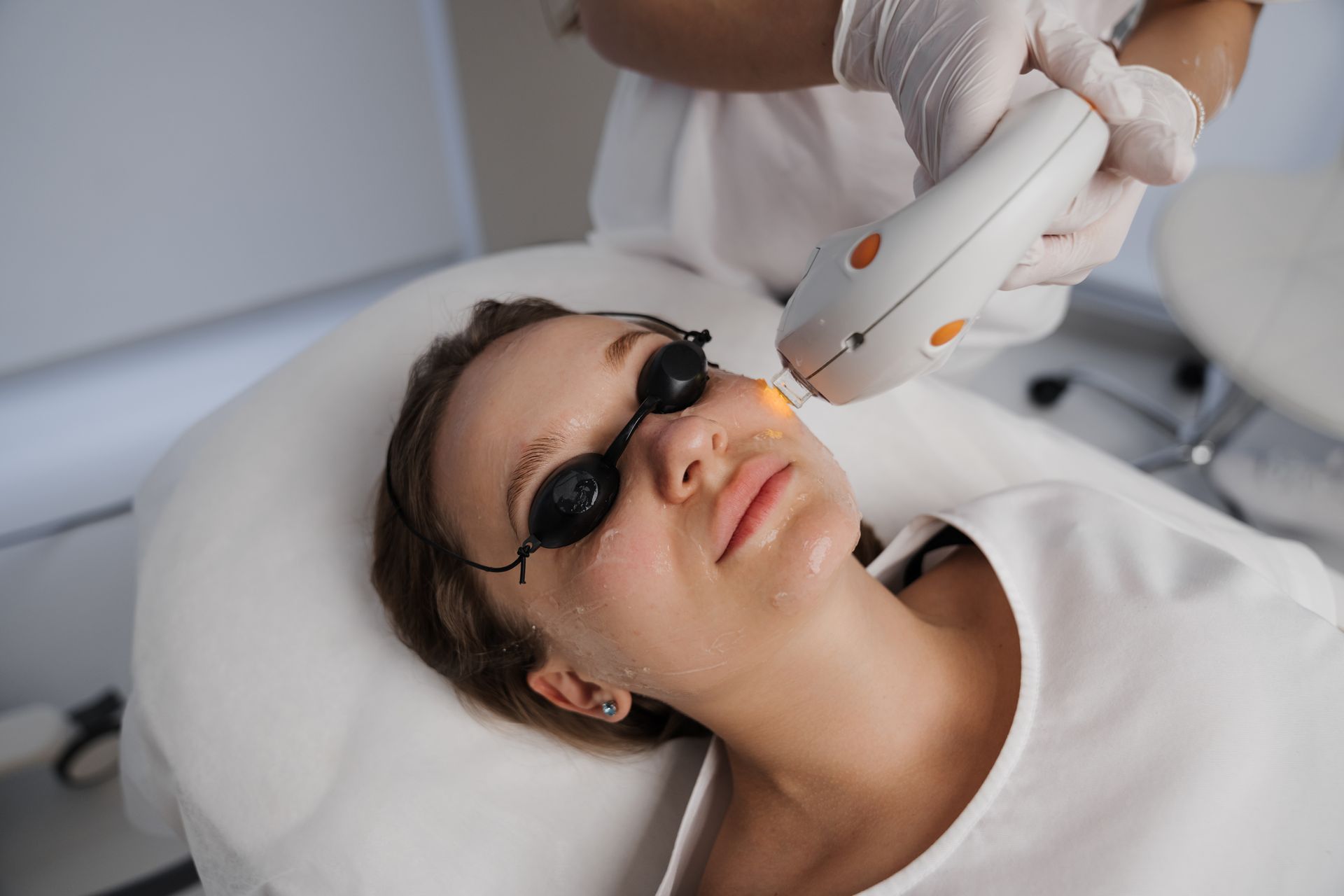
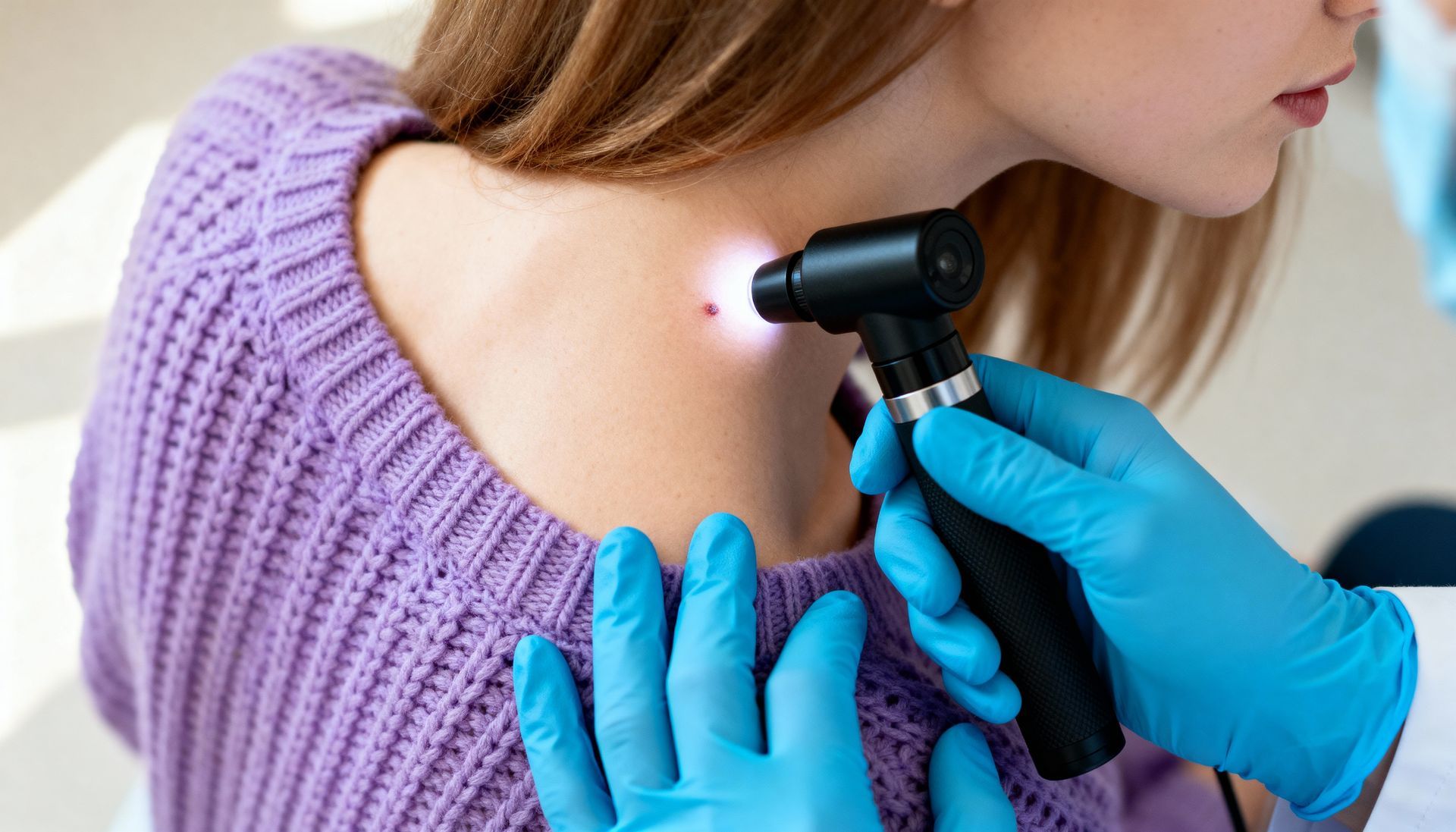
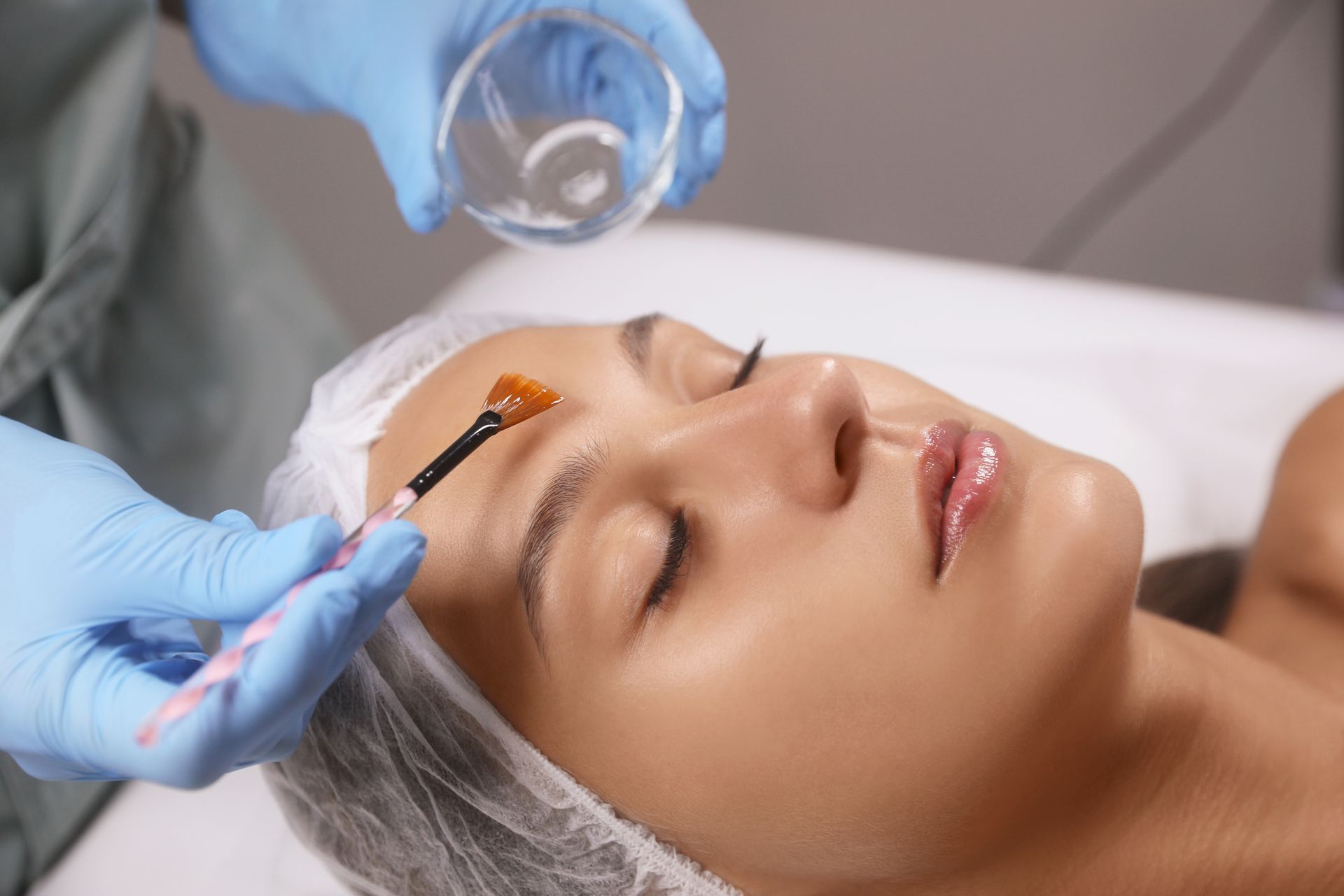
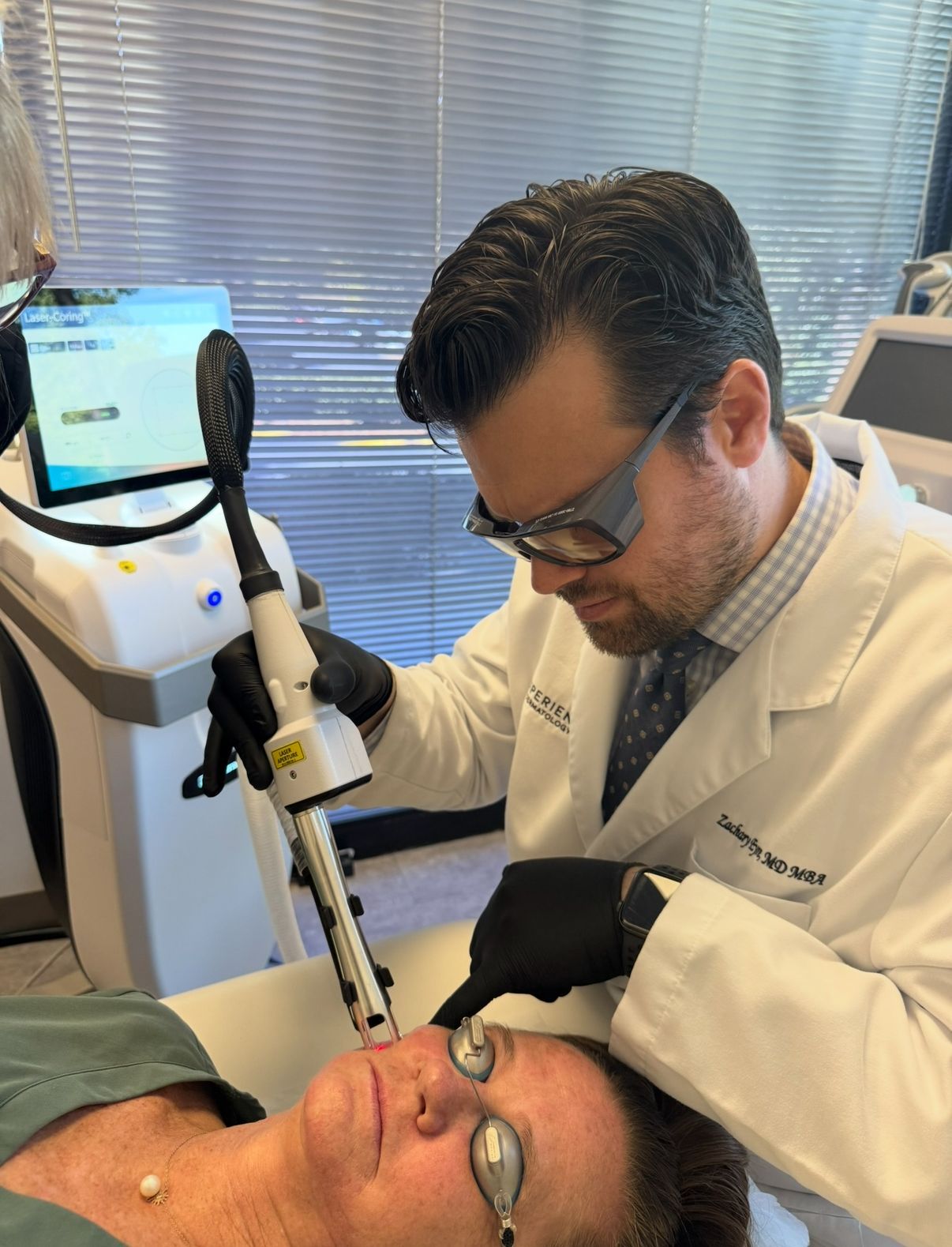
Unlike generic solutions found online or in stores, medical management of melasma adapts to your unique skin type, sensitivity, and triggers. At Experience Dermatology, our first step is a precise diagnosis—distinguishing melasma from other types of hyperpigmentation ensures the right therapy from day one. Treatments range from prescription creams like hydroquinone and tretinoin to in-office procedures such as chemical peels and laser therapy. Each is selected based on your clinical presentation and history.
Ongoing follow-up appointments enable us to monitor your progress, adjust treatments, and provide guidance on avoiding everyday triggers—especially valuable in climates like Atlanta where sun exposure is constant. For many, this individualized attention and medical-grade therapy means visible improvement and, just as important, prevention of recurrences.
→ Letting a professional manage your melasma means you’re less likely to experience frustrating cycles of improvement and relapse.
Frequently Asked Questions
Can melasma ever be cured completely?
Melasma can often be controlled to the point where patches are barely noticeable, but true “cure” is uncommon. Lifelong sun protection and periodic dermatologist-guided care are key to long-term results. At Experience Dermatology, we help you set realistic expectations and maintenance plans.
Are in-office treatments like lasers or chemical peels safe for everyone?
Not every treatment fits every patient—some lasers may worsen melasma for darker skin types, for example. Our clinic personalizes the choice of procedure to your pigmentation depth and skin sensitivity, ensuring safety alongside effectiveness.
When should I seek help instead of continuing home therapies?
If patches grow, darken, or fail to respond to several weeks of diligent home care, it is wise to consult a dermatologist. Early professional intervention limits risk and often delivers the safest, most reliable improvement.
Take Action on Melasma with Expert Support
Navigating melasma doesn’t have to be a journey in frustration or uncertainty. Honest assessment, professional care, and ongoing support are the difference-makers in lasting results. If you have noticed new patches or struggled to manage discoloration, turn to Experience Dermatology for a personalized plan that respects both your skin and your experience. Book a consultation and take the next step toward clarity and confidence.
Share This Blog